The digital revolution has transformed the way societies communicate, access information and participate in public discourse. Social media platforms have become powerful instruments for shaping public opinion, influencing political narratives and connecting communities across borders. However, the growing influence of these platforms has also created serious challenges, including misinformation, fake news, deepfakes, coordinated disinformation campaigns and the unlawful use of digital spaces.
For Pakistan, where social cohesion, national security and public trust remain important policy considerations, ensuring accountability in the digital environment is no longer optional. It is an essential requirement of responsible governance.
The central question is not whether social media should operate freely, but whether global digital platforms should be allowed to exercise enormous influence without accepting corresponding responsibilities. These companies operate across national borders, collect substantial amounts of personal data, generate significant commercial revenues and influence public conversations within sovereign states. Yet, their willingness to comply with local laws and cooperate with national institutions often remains a subject of concern. No private corporation, regardless of its global reach or economic influence, should be considered beyond the legal jurisdiction of the country in which it operates.
Pakistan has a legitimate interest in establishing a digital environment that protects its citizens while respecting constitutional freedoms. Freedom of expression is a fundamental democratic principle, but it should not become a justification for spreading fabricated information, inciting violence, promoting terrorism or deliberately destabilising society.
The distinction between legitimate criticism and coordinated malicious activity must remain clear. A responsible digital governance framework should protect diverse opinions while addressing content that violates established laws and threatens public safety.
The challenge has become more complicated with the emergence of artificial intelligence. Deepfake videos, manipulated photographs and artificially generated audio can now make fabricated events appear authentic. Such technologies can be exploited to damage reputations, create public panic, manipulate political perceptions and undermine confidence in state institutions.
In a country with complex security challenges, the consequences can extend beyond the digital sphere. False information concerning security incidents, public institutions or sensitive national developments can generate confusion, intensify tensions and complicate the responsibilities of law enforcement agencies.
Moreover, digital disinformation is no longer limited to isolated individuals sharing misleading content. Coordinated networks can amplify fabricated narratives through automated accounts, manipulated engagement and organised campaigns. These activities can exploit social divisions, encourage hostility and weaken public confidence.
Pakistan, like other developing countries, must recognise that the information environment has become an important dimension of national security. Protecting this environment requires institutional preparedness, technological capacity and cooperation between government agencies, media organisations, technology companies and civil society.
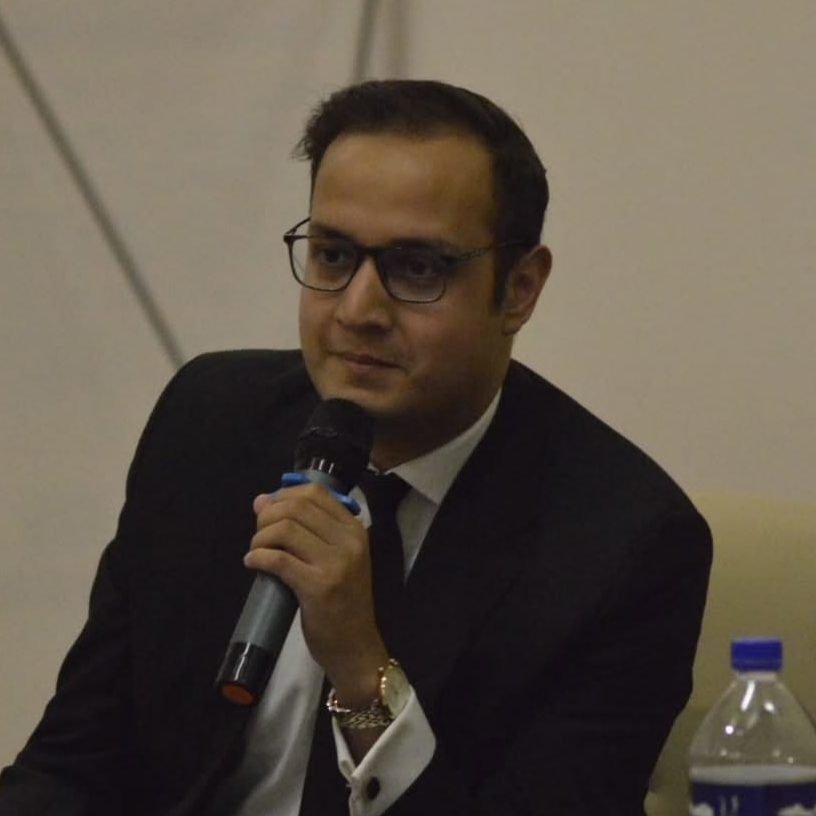
In this context, the Sustainable Development Policy Institute’s (SDPI) initiative to convene a seminar on digital accountability is a timely and constructive contribution to the national debate. Bringing policymakers, journalists, researchers and international experts together can help move the discussion beyond political disagreements towards practical solutions.
Such engagement is particularly important because digital governance cannot be addressed through government action alone. It requires a broader understanding of technological developments, international practices, legal obligations and the responsibilities of platforms operating within Pakistan.
One of the most important principles that should emerge from this discussion is that international technology companies must respect the laws of the countries in which they operate. Pakistan should pursue effective mechanisms for cooperation with these platforms, including transparent content moderation procedures, timely responses to lawful requests and stronger channels of communication with relevant national authorities. Platforms should also demonstrate greater transparency regarding the removal of unlawful content, the handling of complaints and the measures adopted against coordinated disinformation networks.
At the same time, Pakistan’s approach must remain balanced, transparent and consistent with constitutional protections. Digital accountability should not be confused with unrestricted censorship or the suppression of legitimate disagreement. An effective framework must establish clear legal definitions, independent oversight, accessible complaint mechanisms and appropriate avenues of appeal.
Decisions concerning online content should be based on established legal standards rather than arbitrary preferences. Such safeguards would strengthen public confidence and prevent the misuse of regulatory authority.
Pakistan also needs to invest in digital literacy and public awareness. Legal restrictions alone cannot eliminate misinformation if citizens lack the ability to distinguish credible information from fabricated narratives. Educational institutions, journalists and civil society organisations can play an important role in promoting responsible digital behaviour, fact-checking and critical thinking.
Media organisations must also uphold professional standards, particularly when reporting sensitive national security developments. Responsible journalism and informed citizenship are essential components of a resilient information ecosystem.
International cooperation is equally important. Digital platforms operate across jurisdictions, and disinformation campaigns frequently originate beyond national borders. Pakistan should therefore engage with international partners to promote common standards for platform accountability, transparency and responsible content moderation.
Such cooperation should recognise the sovereignty of states while encouraging technology companies to adopt consistent practices across different markets. Developing countries should not be expected to accept weaker protections simply because the largest digital platforms are headquartered elsewhere.
Ultimately, digital sovereignty does not mean isolating Pakistan from the global digital economy. It means ensuring that technological progress serves national interests, protects citizens and operates within a framework of lawful accountability. Pakistan needs an open, innovative and secure digital environment where businesses can grow, citizens can express their views and institutions can function without being undermined by deliberate disinformation.
SDPI’s seminar offers an opportunity to advance this important conversation. Its value will depend not merely on the exchange of views but on the development of practical recommendations that can guide policymakers and strengthen institutional cooperation. Pakistan must approach digital governance with confidence, legal clarity and a commitment to democratic principles.
Global platforms should be welcomed as partners in technological development, but their global reach must never become a licence to disregard national laws. A safer digital future requires both freedom and responsibility, and Pakistan has every right to demand both.
Disclaimer: The opinions expressed in this article are solely those of the author. They do not represent the views, beliefs, or policies of the Stratheia.